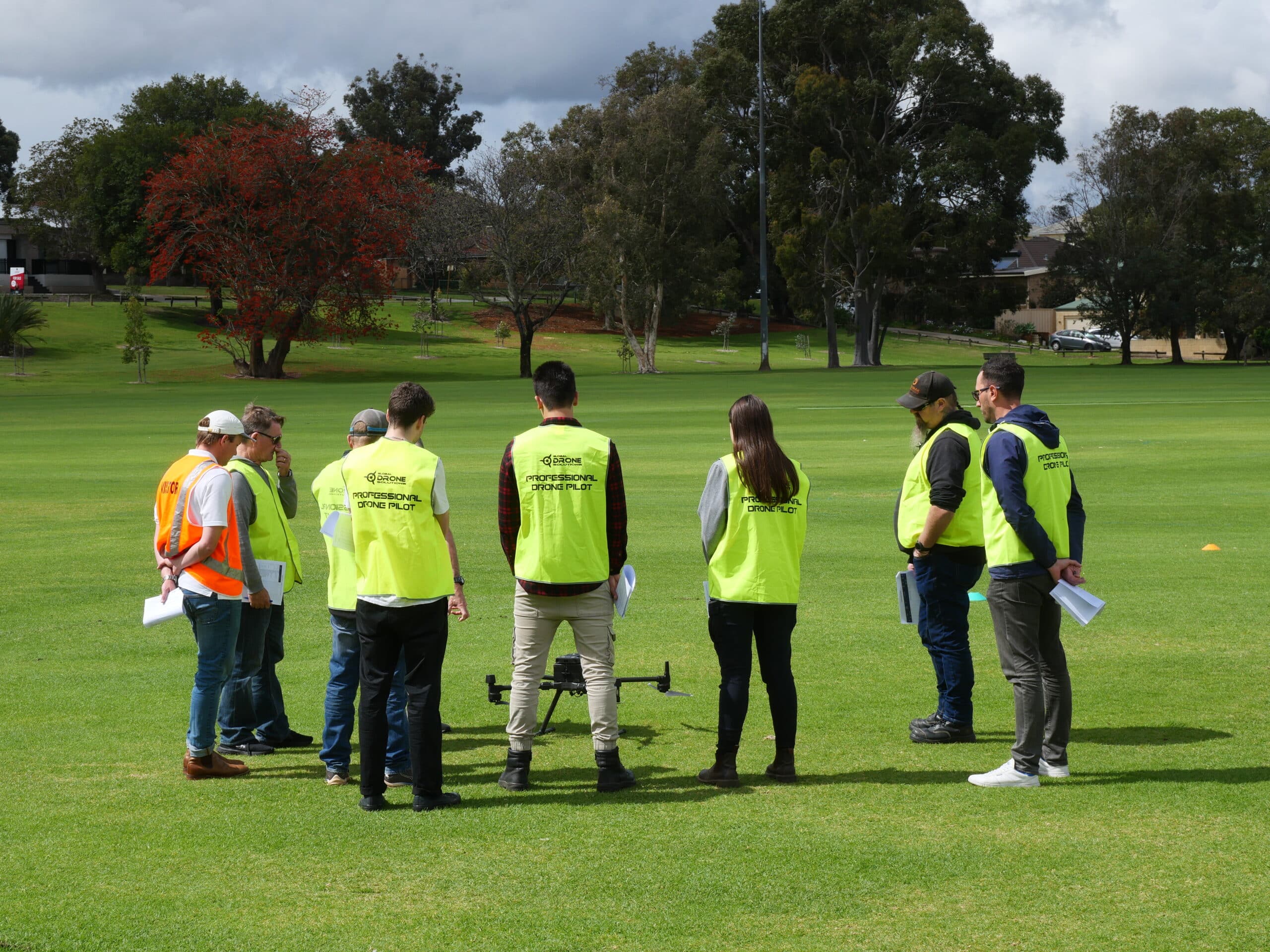
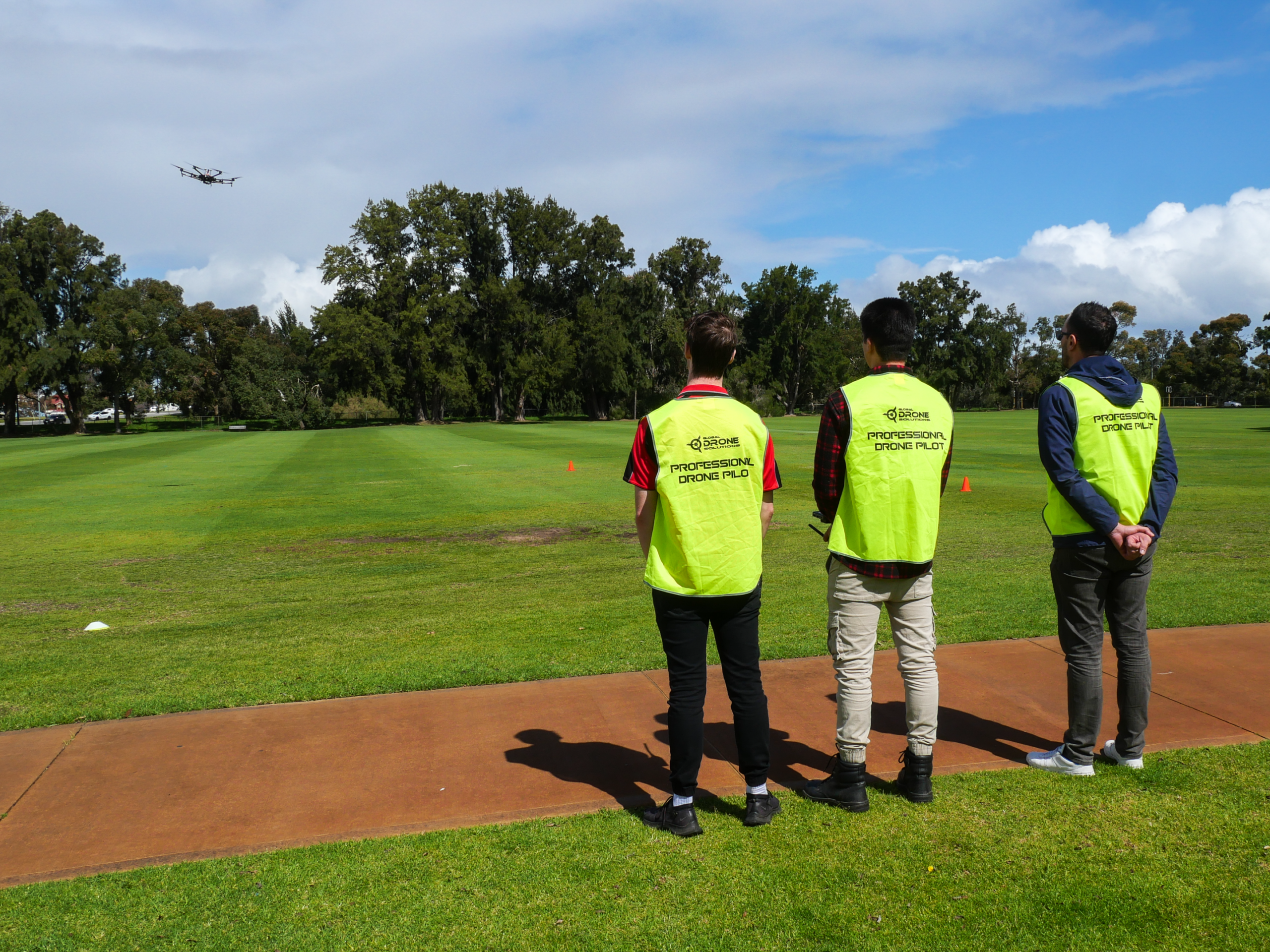
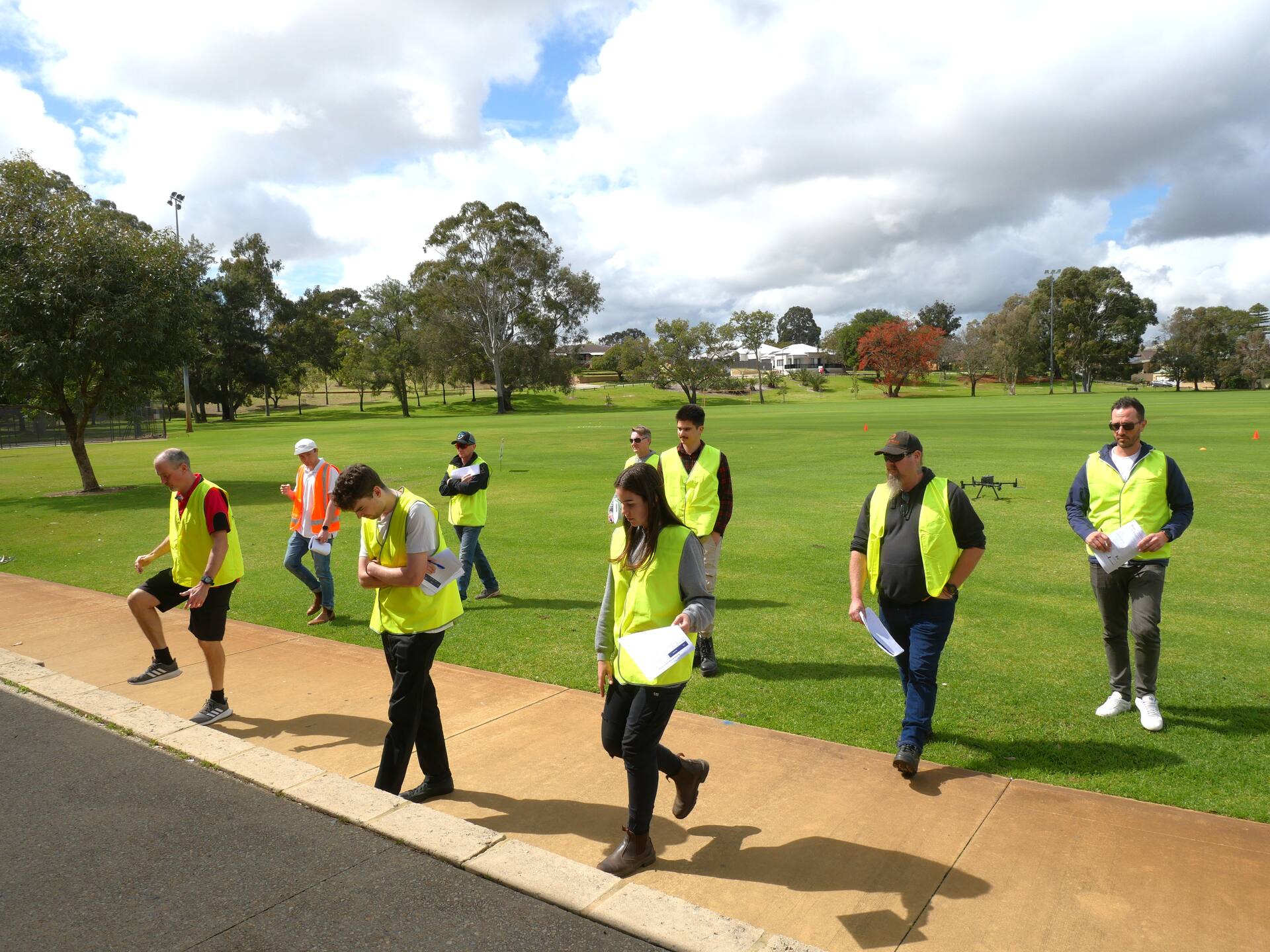
- A CASA drone licence is also known as a Remote Pilot Licence (RePL), and it is issued to an individual remote pilot.
- You do not automatically need an RePL just because you are flying commercially. It depends on the drone’s type and weight, your location and your operation.
- The pathway is: apply for an Aviation Reference Number (ARN), complete theory and practical training with an approved provider, then your provider applies to CASA.
- Standard operating conditions include a 120m height limit, 30m separation from uninvolved people and maintaining visual line of sight.
- An RePL does not expire, but you may need further training or endorsements to operate a different category or type of drone.
When piloting a drone, whether for recreational use or for business, it is important to follow the relevant rules and regulations. In Australia, the Civil Aviation Safety Authority (CASA) sets national drone safety rules, and in some cases a drone licence is required. In this blog, we look at the CASA drone licence, official requirements and how to apply.
What is a CASA Drone Licence (RePL)?
A CASA drone licence is also known as a Remote Pilot Licence (RePL). An RePL is a licence for an individual remote pilot and is not automatically required simply because you are flying a drone commercially.
Whether you need an RePL depends on the type and weight of your drone, where you are flying and how you are operating it. For example, an RePL is generally required when operating as a remote pilot for a business operating under an ReOC, or when flying a drone weighing more than 25kg and up to 150kg over your own land under the relevant landholder excluded category.
Licences are issued by CASA. Obtaining an RePL involves completing the required theory and practical training through an approved training provider, as well as holding an Aviation Reference Number (ARN). You can review the RePL course to see what the training covers.
If you are operating a smaller aircraft, it is also worth understanding the rules that apply to a CASA drone licence under 2kg, as the requirements can differ.
The Official Requirements to Qualify for a CASA Licence
There are a few steps to qualifying for your CASA drone licence.
- Apply for your Aviation Reference Number (ARN). This is your unique identifier with CASA and the first step in the process.
- Find an approved RePL training provider. Your provider delivers the required theory and practical training for the category of drone you intend to operate.
- Complete theory training and your practical flight assessment. The requirements depend on the category of drone you intend to operate.
- Have your provider apply to CASA. Once you successfully complete your training and assessment, your training provider can apply to CASA for your RePL.
Drone registration is a separate requirement. Drones that meet CASA’s registration requirements must be registered before you fly them.
CASA Drone Regulations: Standard Operating Conditions
Standard operating conditions are the baseline safety rules that apply to drone flights unless a specific approval says otherwise. Whether you fly your drone for fun or work, it is important to understand them.
| Condition | What it generally means |
|---|---|
| Maximum height | Drones must not generally be flown higher than 120m above ground level. |
| Distance from people | You must generally keep at least 30m from people who are not involved in the operation. |
| Visual line of sight | Drones must generally remain within your visual line of sight. |
| Airspace | Additional restrictions apply around airports and other controlled airspace. |
| Hazard to others | Drones must not be flown in a way that creates a hazard to aircraft, people or property. |
There are also additional rules covering areas such as flying over people, operating near emergency situations and flying in controlled airspace.
The CASA drones website contains further rules and more detailed information that should be understood before taking off. By following the relevant requirements and operating your drone responsibly, you can enjoy safe and compliant flying.
How Long Does a CASA Drone Licence Last?
Once your RePL has been issued by CASA, it does not expire. However, you may need additional training or a new endorsement if you want to operate a different category or type of drone that is not covered by your existing licence.
It is also important to stay up to date with ongoing operational requirements and any changes to Australia’s drone rules and regulations. A RePL annual refresher is one way to keep your knowledge current.
Steps to Apply for Your Aviation Reference Number (ARN)
An Aviation Reference Number (ARN) is a unique identifier issued by CASA to individuals and organisations involved in Australian aviation. Applying for your ARN can be completed through the myCASA portal.
You will need to create an account if this is your first time using myCASA and provide information to verify your identity. This can include:
- Full name.
- Address.
- Date of birth.
- Sex.
- Telephone number.
- Nationality.
- Approved identity documents where required.
If you use an accepted Digital ID to register with myCASA, you may not need to provide additional identity documents. Otherwise, CASA will provide guidance on the documents required to verify your identity.
Once you have provided the required information, check your details and submit your application. Your ARN will then be issued once your identity has been successfully verified.
Conclusion
When flying a drone in Australia, it is important to follow the rules set by CASA and understand when you are required to obtain a drone licence or Aviation Reference Number.
Applying for an ARN and completing your RePL training is straightforward when you follow the official guidance and choose the right training provider. With the right knowledge and practical skills, you will be ready to take the next step towards safe and professional drone operations. Browse our CASA-approved drone courses to find the pathway that suits your goals.
Frequently Asked Questions
What is a CASA drone licence?
A CASA drone licence is another name for a Remote Pilot Licence (RePL). It is a licence issued by the Civil Aviation Safety Authority to an individual remote pilot, allowing them to operate the categories of remotely piloted aircraft covered by the licence.
Does a CASA drone licence expire?
No. Once issued, an RePL does not expire. You may still need additional training or an endorsement to operate a category or type of drone not covered by your existing licence.
How high can I legally fly a drone in Australia?
Under standard operating conditions, drones must not generally be flown higher than 120 metres above ground level. Additional restrictions apply around airports and controlled airspace.
How do I apply for an Aviation Reference Number?
Apply through the myCASA portal. Create an account, provide your identity details such as full name, address, date of birth and nationality, then submit your application. Your ARN is issued once your identity is verified.