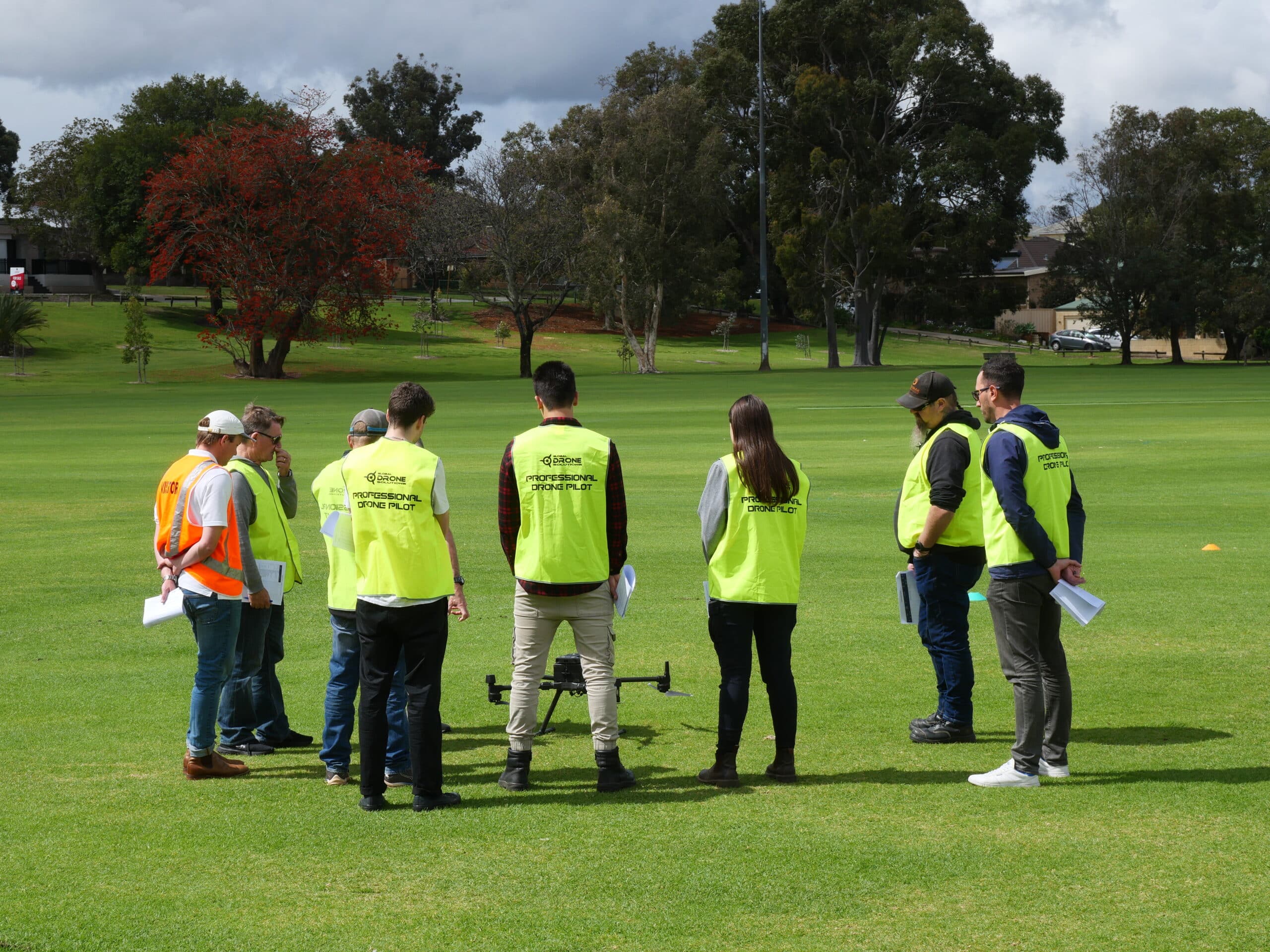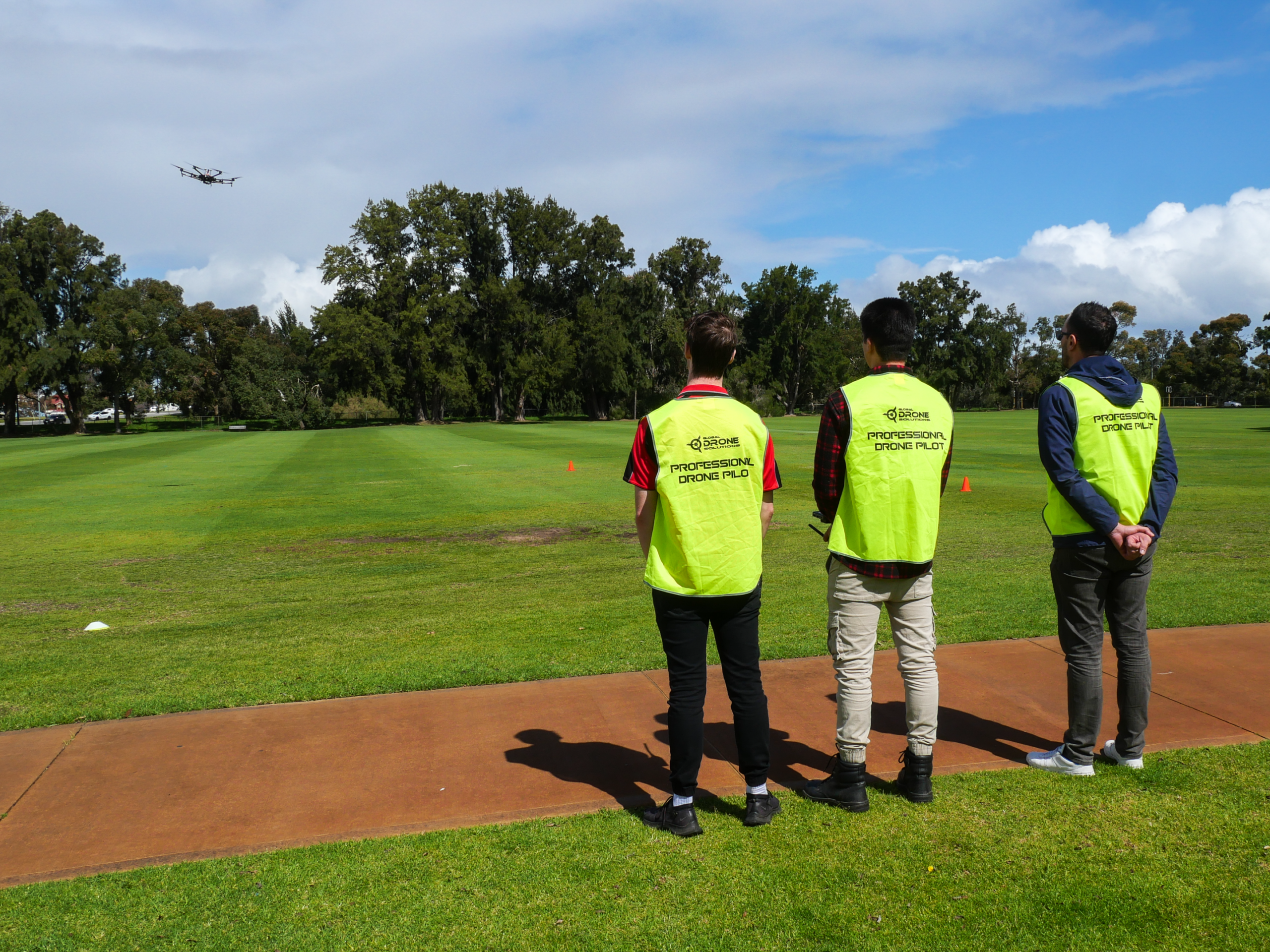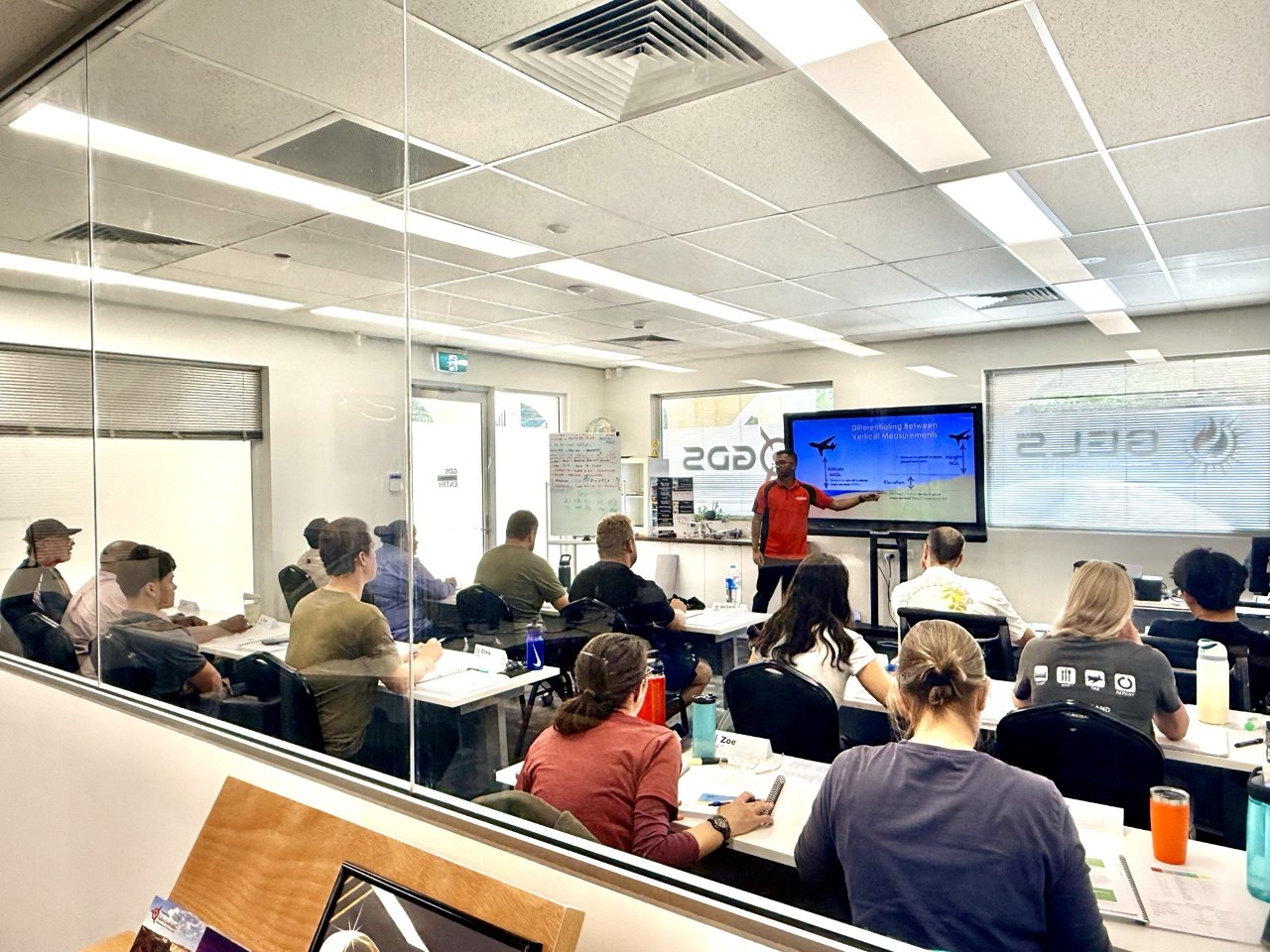
- UAV training generally falls into three categories: beginner courses, commercial courses and specialised industry training.
- In Australia, commercial courses can prepare you for a Remote Pilot Licence (RePL) where one is required for your intended operation.
- Entry requirements are accessible. Most beginners need no prior experience, but you will generally need to meet CASA’s eligibility requirements and hold an Aviation Reference Number (ARN).
- Mining, construction, agriculture, emergency services and environmental organisations are among the strongest sectors for experienced UAV pilots.
- Advanced skills such as BVLOS, autonomous systems, LiDAR mapping and thermal imaging support career progression, though BVLOS operations require CASA approval.
The drone industry has evolved quickly over the past few years, and it is now much more than recreational flying and hobby aerial photography. Today, UAVs (unmanned aerial vehicles) are used across various industries, from film, television and photography to construction, agriculture and emergency services.
As drone technology continues to expand, there is growing demand for skilled drone operators. Professional UAV drone training is an important step for anyone considering a career as a drone pilot.
Types of UAV Drone Training Courses Available Globally
UAV regulations and training requirements vary between countries and depend on factors such as the intended use of the drone, the industry and the operator’s experience. Most UAV training courses fall into a few common categories.
Beginner Courses
These are designed for people who are new to drones. Courses typically cover flight controls, safety, weather awareness and relevant regulations. They can suit hobbyists or people looking to begin a career in UAV operations. Our beginner drone training is built for exactly this starting point.
Commercial Courses
These courses focus on professional drone operations. In Australia, they can prepare students to obtain their Remote Pilot Licence (RePL) where one is required for their intended operation.
Training can include theory and practical exercises covering flight planning, emergency procedures and safe drone operations.
Specialised Training
As careers within the UAV industry grow, specialised courses are becoming more popular. These can focus on industries such as aerial surveying, agriculture, construction or photography.
Many course providers offer hybrid learning, meaning theory modules can be completed online alongside in-person practical flight training. This flexible approach can be helpful if you are working or studying alongside your UAV training.
Course Types Compared
| Course type | Who it suits | Typical focus |
|---|---|---|
| Beginner | Hobbyists and career starters with no experience | Flight controls, safety, weather awareness, relevant regulations |
| Commercial | Those pursuing professional drone operations | Flight planning, emergency procedures, safe operations, RePL preparation |
| Specialised | Working pilots moving into an industry niche | Aerial surveying, agriculture, construction or photography applications |
Entry Requirements for Australian UAV Training Programs
Getting started in the drone industry is generally accessible, particularly compared with traditional aviation careers. Many training providers offer courses suitable for beginners with no previous drone experience.
For an RePL, you will generally need to meet CASA’s eligibility requirements and hold an Aviation Reference Number (ARN). An ARN is a unique identifier issued by the Civil Aviation Safety Authority. Training providers may also have their own entry requirements.
A basic understanding of English is important, as training includes aviation terminology, safety information and operational procedures.
There are no broad experience requirements for many entry-level UAV training programs, although specialised training may require additional knowledge, skills or qualifications.
The Trajectory of a Professional Drone Pilot Career
A career as a professional drone pilot can take many different directions depending on the industry and your skillset. Many drone operators begin with entry-level roles before developing specialist experience.
As your knowledge and experience grow, you can move into more technical roles across areas such as construction, surveying, emergency response and environmental monitoring. Organisations building internal drone capability often invest in structured RPAS training solutions to develop teams rather than individual pilots.
Highest-Paying Industries for UAV Operators in Australia
Several Australian industries offer strong earning potential for experienced UAV pilots.
- Mining and construction: Major users of drone technology, with UAVs helping to survey sites, inspect equipment, measure areas and create site models.
- Agriculture: An important sector for drone use, with operators supporting crop monitoring, land management and livestock operations.
- Emergency services and environmental organisations: Using drones for bushfire monitoring, search and rescue, disaster assessment and wildlife monitoring.
Many of these fields offer strong career opportunities, but specialised roles may require additional industry knowledge and training.
Future Proofing Your Career with Advanced UAV Certifications
The UAV industry continues to evolve, making ongoing learning important for drone operators looking to develop their careers. Advanced training and specialist skills can help operators pursue more technical roles.
Areas of specialist training can include Beyond Visual Line of Sight (BVLOS) operations, autonomous flight systems, LiDAR mapping and thermal imaging.
However, completing BVLOS training or developing these skills does not automatically authorise you to conduct BVLOS operations. Such operations require the appropriate CASA approval.
If you are looking to progress your career, investing in relevant advanced training can help you develop the skills needed as the industry continues to evolve.
Conclusion
UAV drone training offers a practical pathway into a growing industry, with opportunities across photography, mining, surveying, construction, agriculture and emergency services.
Whether you are new to drones or looking to develop specialist skills, the right UAV training in Australia can help you build the knowledge and practical experience needed to progress your career.
Frequently Asked Questions
What is UAV drone training?
UAV drone training is structured instruction that combines aviation theory with practical flight experience, preparing operators to fly unmanned aerial vehicles safely and in line with the regulations that apply to their intended operation.
Do I need experience to start UAV training in Australia?
No. Many training providers offer courses suitable for beginners with no previous drone experience. For an RePL, you will generally need to meet CASA’s eligibility requirements and hold an Aviation Reference Number.
Which industries pay the most for UAV operators in Australia?
Mining and construction are major users of drone technology, alongside agriculture, emergency services and environmental organisations. Specialised roles in these sectors may require additional industry knowledge and training.
Does completing a BVLOS course allow me to fly beyond visual line of sight?
No. Completing BVLOS training does not automatically authorise you to conduct BVLOS operations. These operations require the appropriate CASA approval.