If you’ve ever flown a drone, you’ll have experienced the rush one gets from operating this aerial device. Drone flying presents exciting opportunities such as taking media worthy images and videos or scoping out the local area in ways that were once impossible.
As exhilarating as this experience can be, many beginners often face common pitfalls while navigating this new learning curve. New drone pilots often make avoidable mistakes that can lead to accidents, equipment damage, or even legal issues; and unfortunately, these errors can quickly turn a fun experience into a costly one.
Understanding the most frequent mistakes and learning how to prevent them, allows beginners to build confidence, fly safely, and get the most out of their investment. Eight of the most common mistakes new drone pilots make are:
- Skipping Pre-Flight Checks: Not inspecting the drone, batteries, or firmware before take-off.
- Flying Without Knowing the Rules: Ignoring local drone laws, restricted zones, or altitude limits.
- Overestimating Battery Life: Flying too far without accounting for return time, leading to crashes or lost drones.
- Flying Out of Line of Sight: Losing visual contact and control of the drone.
- Ignoring Weather Conditions: Flying in strong winds, rain, or poor visibility.
- Flying Indoors Without Experience: Limited space increases crash risks.
- Overconfidence Too Early: Attempting advanced manoeuvres before mastering the basics.
- Neglecting Safety of Others: Flying too close to people, animals, or property.
In this guide we will delve into these avoidable slip ups and explain how to prevent them.
Skipping Pre-Flight Checks
One of the most common mistakes beginners make is rushing into the air without checking their equipment. Drones should be treated like planes; you wouldn’t fly one without doing the necessary checks first. mid-air malfunctions, unstable flight, loose propellers, and low batteries, can all be avoided if caught early.
What may seem harmless or unnecessary at first, can lead to serious issues and complications, so skipping pre-flight checks should be avoided at all costs.
Avoid This by
Creating a consistent pre-flight checklist to help with monitoring and maintenance. Before every launch, propellers should be inspected for cracks, the gimbal and camera should be made secure, GPS signal strength should be verified, and batteries in both the drone and controller should be fully charged.
Check for any updates and make sure your take-off area is clear of obstacles. By spending no more than two minutes on these steps you will reduce risks and build good habits. Small details keep flights safe and smooth.
Flying Without Knowing the Rules
Unbeknownst to many, aviation laws apply to drones as well as other aircrafts. Understanding these laws is highly important, for flying in restricted airspace, over people, or above altitude limits can result in fines, confiscation of your drone, or even legal action.
In addition, ignoring or being unaware of the rules can put manned aircrafts at risk. There are many countries in which drones can only be flown if they have been registered, and the operator has a license or certification for commercial flights.
Avoid This by
Being prepared. Always check your location, know your altitude limits, and fly responsibly. By adhering to these rules not only are you kept out of trouble, but it ensures the long-term future of recreational and commercial drone use. Download drone safety apps that help identify no-fly zones, controlled airspace, and temporary restrictions.
Overestimating Battery Life
Many beginners make the mistake of not checking the drone’s battery life, assuming it will last longer than it actually does. Drones typically produce around 20–35 minutes of flight time, but factors like wind, payload, and aggressive flying shorten this window, and are rarely taken into consideration.
New pilots often push their limits, only to see the low-battery warning too late or too far from home, causing them to perform emergency landings or lose the drone.
Avoid This by
Planning your flight. Before setting off, check your drone’s battery percentage and set a return-to-home (RTH) threshold of at least 25–30%. Monitor the flight distance and allow enough power to safely return and land.
Be extra cautious and carry spare batteries as outside elements like cold weather or strong winds may drain power faster. By understanding the power of your battery, you’ll avoid costly mistakes and extend the life of your equipment.
Flying Out of Line of Sight
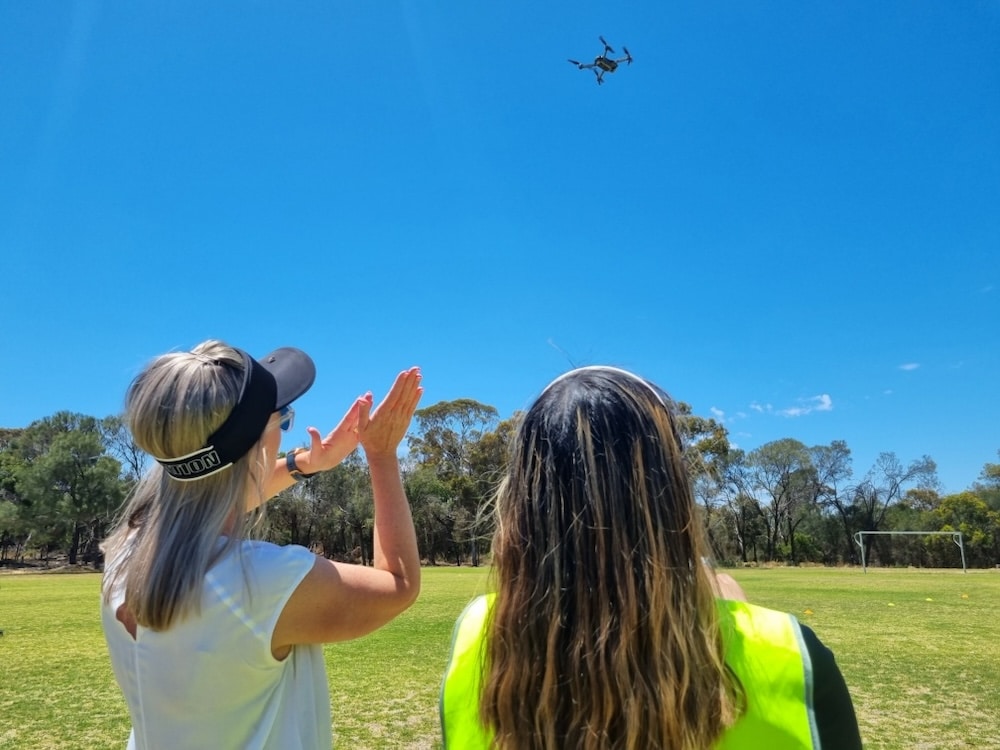
An element of safe drone flying is always keeping the aircraft within visual line of sight. Many beginners break this golden rule, assuming they can maintain control via the live video feed. However, interference with the signal, low visibility, or sudden obstacles can cause the drone to disconnect. To lose sight of your drone can mean losing orientation, increasing the risk of crashing into trees, buildings, or even people.
Avoid This by
Practicing discipline. Steer clear of relying solely on your screen and keep the drone in your line of vision; always keep your eye on the ball. Stay in open areas free of tall buildings or dense vegetation that could block signals. Opt for daylight flying and check the weather conditions for a clearer day that will make for better visibility. Remember: if you can’t see your drone, you can’t control it safely.
Ignoring Weather Conditions
Weather plays a huge role in drone safety, yet many new pilots underestimate its impact. A drone’s motor can be overpowered by strong winds, with rain damaging the electronics and fog or poor lighting reducing visibility. Even a light breeze can drain the battery faster and affect stability. Beginners often think their drone can handle less-than-ideal conditions, only to experience crashes or loss of control.
Avoid This by
Being aware. Always check the weather forecast before flying and pay close attention to wind speeds and precipitation. Flying in rain, snow, or fog should be avoided and be cautious in cold weather, which can affect batteries. If you’re second guessing the conditions, wait for a clearer day. Safe flying is about patience – better to delay a flight than risk losing your drone.
Flying Indoors Without Experience
As fun it may sound, indoor flying can be highly risky for new drone pilots. Limited space, walls, ceilings, and furniture create challenges and leave little room for error. Additionally, GPS signals are often weaker in confined spaced, making the drone harder to control. Flying inside with little to no experience can result in crashes, damaged props, or broken furniture.
Avoid This by
Gaining outdoor experience first. There’s room for mistakes when you’re outside, so practice in wide, open areas and discover the dos and don’ts. If you have no choice but to fly indoors, make use of gyms or large halls.
They’re much safer than attempting to fly in living rooms or offices. Use propeller guards, switch to beginner mode, and keep the drone low and slow. Build your skills outdoors before testing your control indoors.
Overconfidence Too Early
Don’t make the mistake of being overly confident too soon. You may have learnt the basics, but don’t be tempted to attempt advanced manoeuvres like high-speed flying, tight turns, or cinematic shots too hastily. This can lead to miscalculations, crashes, or lost drones.
Avoid This by
Practicing patience. Time should be spent mastering the basics such as take-offs, landings, hovering, and simple directional control. Use beginner or GPS-stabilised modes until you’re confident in manual control.
Once you have improved your abilities, increase the difficulty by practicing figure-eights, smooth turns, and altitude changes in clear, open spaces. Build your skills step by step, and you’ll eventually gain the confidence to attempt advanced manoeuvres and avoid unnecessary risks.
Neglecting Safety of Others
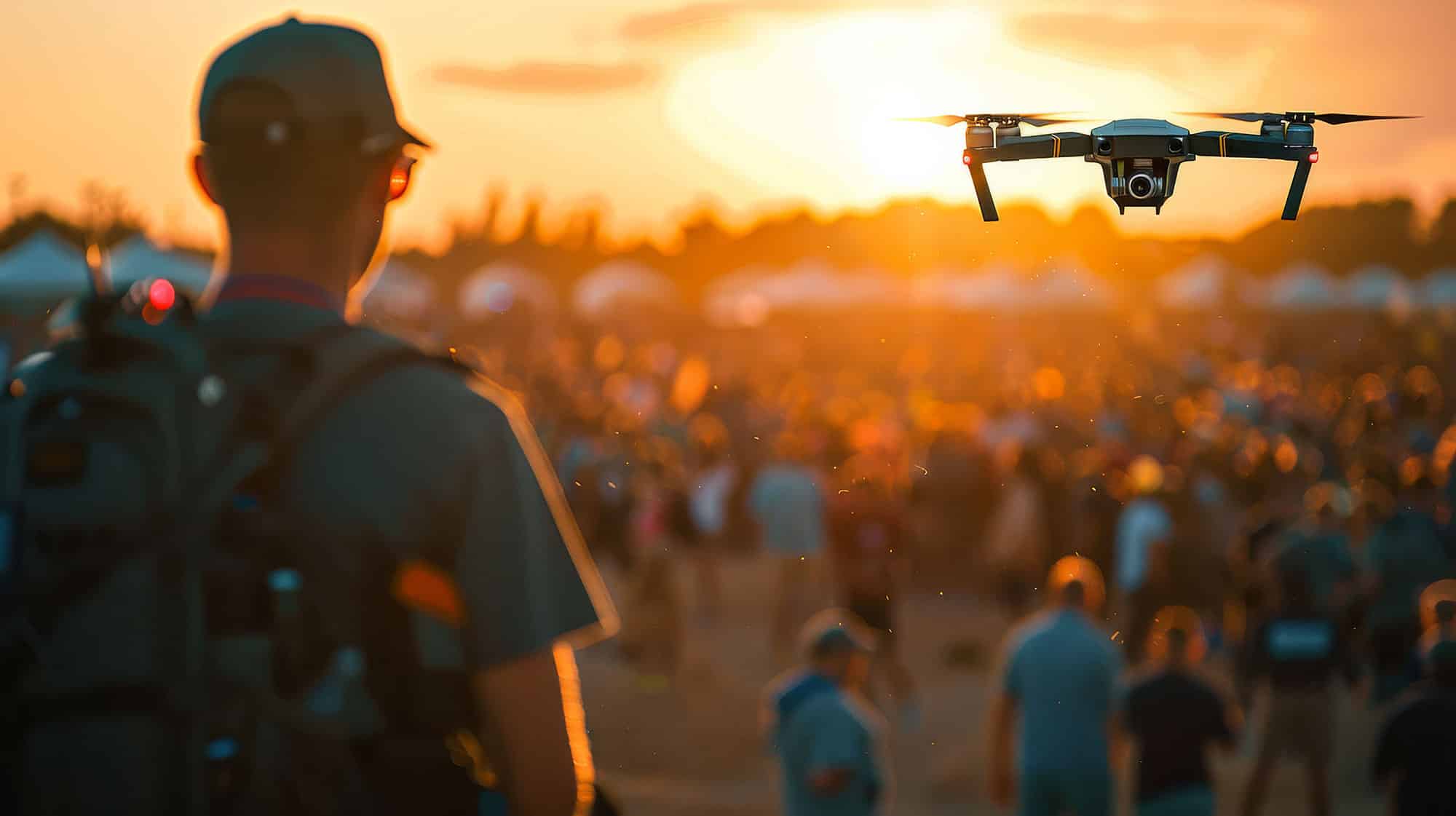
A critical mistake that should be avoided at all costs is forgetting that drones can pose safety risks to people, animals, and property. New pilots often fly too close to crowds, wildlife, or private spaces posing a dangerous threat and causing disrespect. Propellers have been reported to afflict serious injuries, and drones have been known to crash into properties resulting in costly damage.
Avoid This by
Working on awareness and responsibility. Always keep a safe distance from people, avoid flying over crowds, and respect privacy. Get familiar with the ‘do no harm’ principle: if there’s even a slight chance of putting others at risk, don’t take off. When you prioritise safety, you’ll build trust amongst others and be able to enjoy flying responsibly.
What it Takes to Become a Drone Pilot
Becoming a skilled drone pilot is about more than simply taking off and flying. The common mistakes new pilots make can lead to costly accidents, legal trouble, and safety risks. However, each of these errors can be prevented with the right training, awareness, and preparation.
Recognising these pitfalls early, allows beginners to build good habits that will have them enjoying safer, smoother flights, protecting both their investment and those around them. And one of the most effective ways to avoid these mistakes is by getting certified at Global Drone Solutions.
Our professional drone certification programs teach technical skills, airspace laws, safety protocols, and best practices for responsible operation. As a certified pilot, you’ll be equipped with the confidence to handle unexpected challenges and operate legally in more areas.
Furthermore, you can pursue career opportunities in industries like photography, construction, surveying, and agriculture. Whether you’re flying for fun or looking to turn your passion into a profession, contact Global Drone Solutions today and transform yourself from a beginner making common mistakes into a skilled, confident, and responsible drone pilot.
FAQs
Do I Need a Licence to Fly a Drone?
This all depends on where you live, what type of drone you intend to fly, and how you wish to use it. If your drone is for recreational purposes only (a hobby) you don’t need to get a formal licence. If you wish to use a drone for commercial flying (business, work, or paid projects) then a licence or certification will be required.
When is the Safest Time to Fly my Drone?
The safest times to fly your drone are during:
- Calm weather conditions.
- Daylight hours.
- Morning or late afternoon.
- Low traffic times.
Early morning or just before sunset on a clear, calm day is the ideal time to fly. The wind is calmer, and visibility is greater, helping to avoid accidents and collisions, while providing softer lighting – helpful for photography and easier on your eyes.
Is There an Age Limit for Flying Drones?
If the drone is under 250g and being used as a hobby, there is no strict age limit, but if heavier, the operator must be at least 13–16 years old or have adult supervision if younger. For commercial use however, the pilot must be a minimum of 16 years old (sometimes older if registering as the official operator).
How Long Will My Drone Battery Last?
The battery life of a drone depends on several factors, but typically it should last for up to 40mins. This length of time may be affected by weight, flying style, weather and the health of the battery. To use the battery at its full potential fully charge before each flight, avoid flying in strong wind or extreme temperatures and plan your flights accordingly.
How do I Take Care of my Drone?
To make sure your drone stays in tip-top condition, follow these simple steps:
- Inspect the Drone: Check propellers, arms, and body for cracks or loose parts.
- Check Battery: Make sure it’s charged and secure, keeping it away from extreme heat and cold.
- Clean After Use: Gently wipe off dirt, dust, or sand. Keep motors clear of particles and hair.
- Update Firmware: Keep your drone and controller software updated for safety and performance.
- Protect From the Weather: Avoid strong winds and don’t fly in the rain, fog, or snow as moisture can ruin the electronics.
- Store Carefully: Keep the drone in a dry, cool place and use a protective case to prevent knocks during transport.
Join one of our courses to find out the answers to these questions and more to allow you to enjoy your drone legally and safely.