- UAV drone training combines classroom theory with practical flight experience so pilots can operate safely and in line with CASA rules.
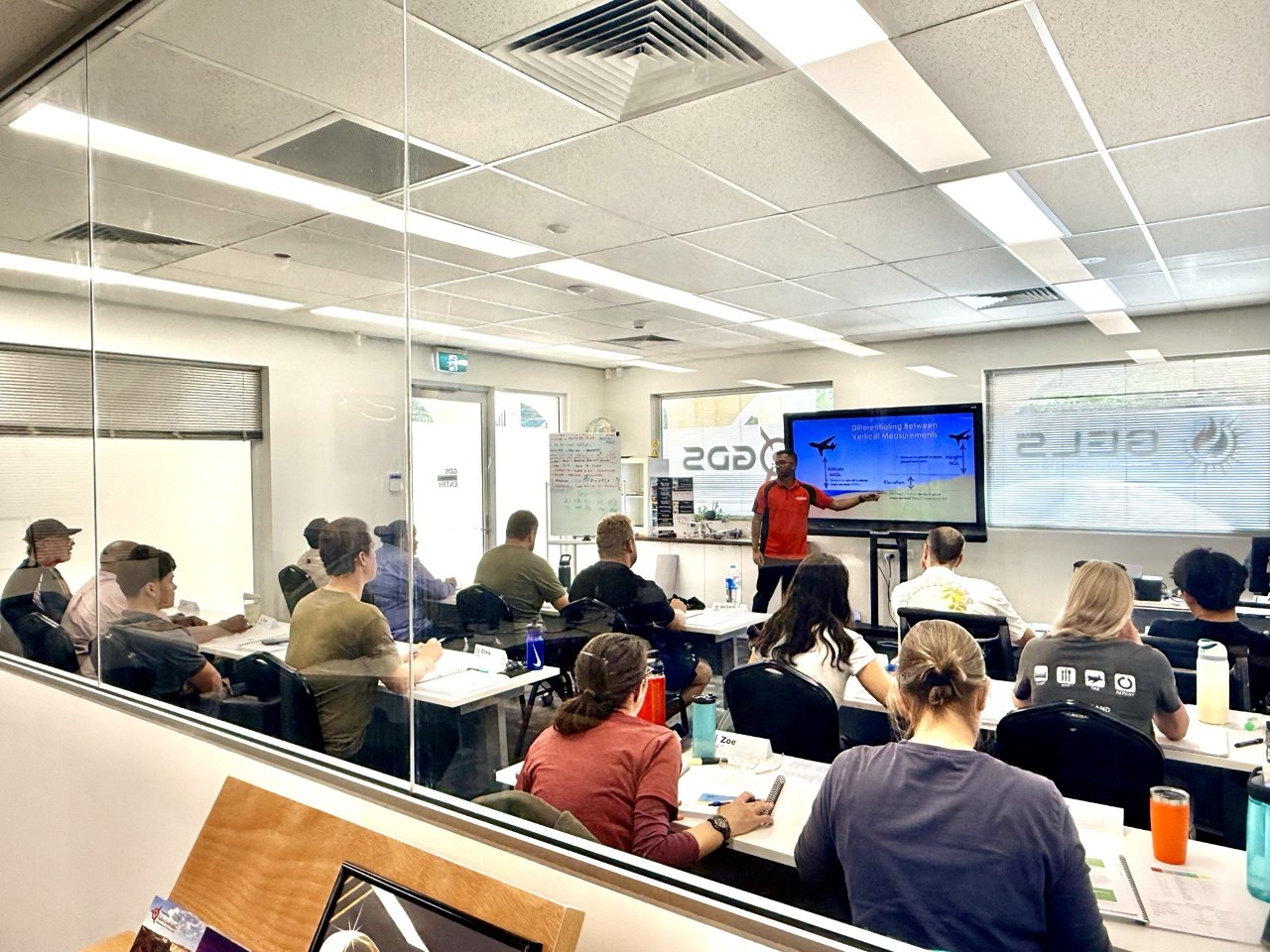
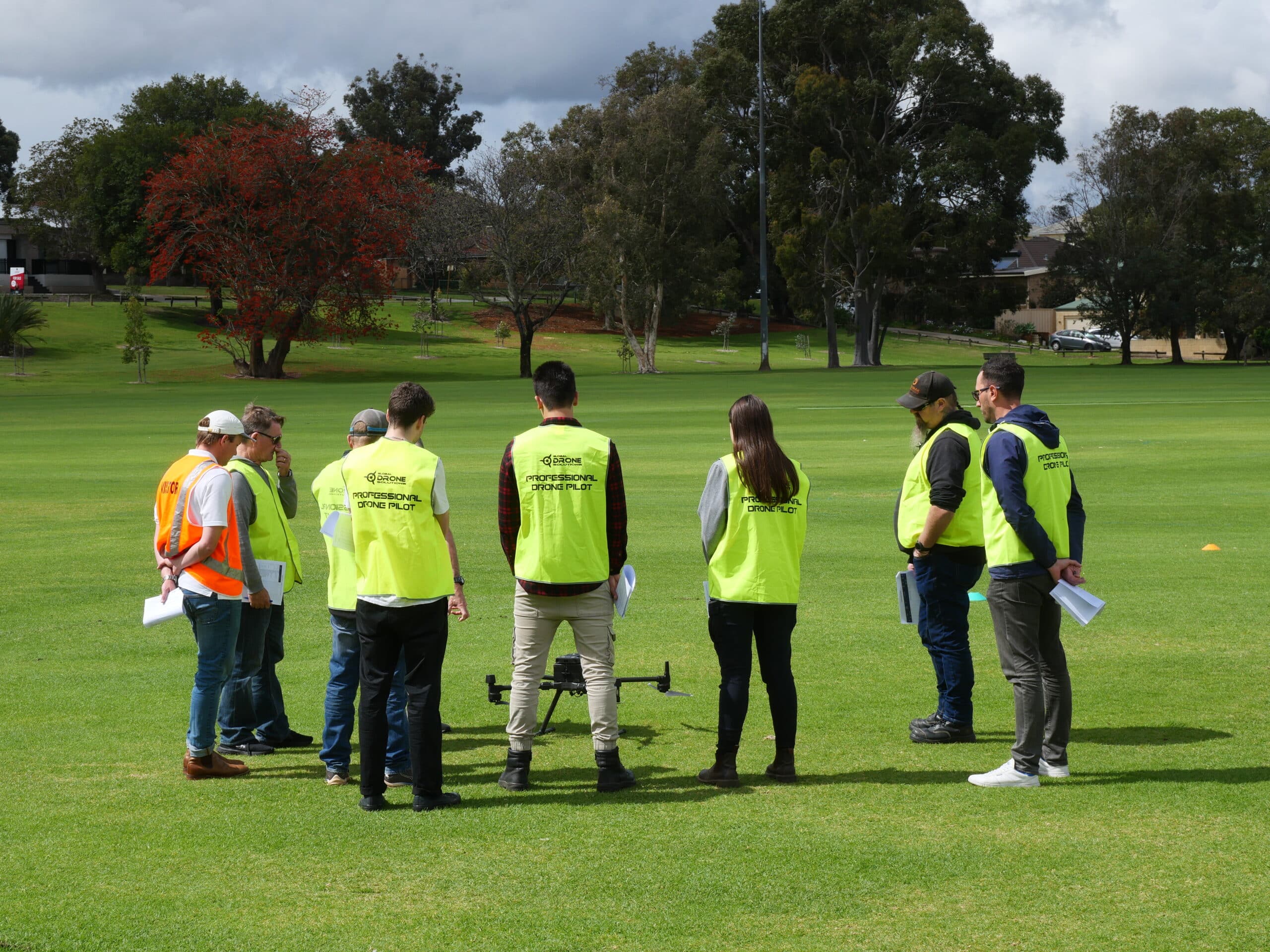
- Theory covers airspace, weather, flight planning, risk management and aviation regulations. Practical training covers take-off, landing, navigation and emergency response.
- An RePL may be required for certain professional operations, including flying as a remote pilot under a business operating an ReOC.
- Not every commercial operation requires an RePL. Certain excluded category operations can be conducted without one, subject to CASA’s requirements.
- Recreational pilots are not generally required to complete formal training, but it improves safety, confidence and understanding of the rules.
The use of UAV (unmanned aerial vehicle) drones is increasing across businesses globally, creating more opportunities for careers in the industry. To operate drones safely and professionally, practical training and knowledge are important. In Australia, drone training is closely linked to Civil Aviation Safety Authority (CASA) regulations and the requirements that apply to different types of operations.
Defining UAV Drone Training: Classroom vs Practical
UAV drone training is structured instruction that prepares a pilot to operate an unmanned aerial vehicle safely and in compliance with the applicable aviation rules. It is typically split into two key areas: theory and practical learning.
| Training element | What it covers | Why it matters |
|---|---|---|
| Classroom theory | Airspace, weather, flight planning, risk management and aviation regulations | Builds the knowledge required to operate a drone in compliance with CASA rules |
| Practical flight training | Take-off and landing, navigation, emergency response and professional tasks | Develops hands-on competence using UAV equipment in real conditions |
Combining theory and practical learning allows prospective pilots to understand the requirements of safe drone operation and apply their knowledge in real-world situations. Our beginner drone course is one example of this blended approach.
Who Legally Requires Professional UAV Training?
In Australia, whether you legally need professional UAV training depends on the type of drone and how you intend to operate it. A Remote Pilot Licence (RePL) may be required for certain professional operations, including when operating as a remote pilot for a business operating under an ReOC.
Not every commercial drone operation requires an RePL. Certain excluded category operations can be conducted without one, depending on the drone, weight, location and circumstances of the operation. For example, some commercial operations involving drones under 2kg may fall within an excluded category, although the operator still needs to comply with CASA’s requirements. You can check the current rules on the CASA drones website.
Professional UAV training helps drone operators understand how to conduct safe flights, follow CASA regulations and respond to emergencies or problems in flight.
Recreational drone pilots generally do not legally need professional training, but understanding safe flight practices and CASA rules is still important.
The Benefits of Formal Training for Hobbyist Pilots
Formal UAV training can provide hobbyist and recreational drone pilots with greater confidence and knowledge, helping them fly safely and within CASA rules.
Training can improve understanding of:
- Airspace restrictions and where you can legally fly.
- Weather conditions and how they affect a flight.
- Emergency procedures if something goes wrong.
- Safe take-off, landing and flight planning.
Even for recreational use, developing these skills can improve safety and provide a useful foundation for anyone who later wants to pursue professional drone operations.
How UAV Training Enhances Workplace Safety and Compliance
UAV training plays an important role in improving workplace safety and compliance with CASA regulations. As drone use becomes more common across industries, operators need to understand how to identify hazards, assess risks and plan flights safely.
In industries such as construction and mining, drones can operate close to people, buildings and other assets, making appropriate safety procedures particularly important.
Training also helps operators understand legal requirements, operating procedures and airspace rules. For organisations rolling out drones across teams, structured RPAS training solutions can support consistent standards. Overall, UAV training helps businesses use drones safely, responsibly and effectively.
What You Will Learn in a Standard UAV Training Program
Standard UAV training programs are designed to prepare drone pilots for safe and compliant operations. Trainees learn aviation theory covering areas such as airspace, weather, flight planning and drone operations.
Courses also cover:
- CASA rules and standard operating conditions.
- Safety procedures and risk management.
- Hazard identification and pre-flight checks.
- Emergency response procedures.
- Practical flight skills, including take-off, landing, navigation and operating in real-world conditions.
Together, these areas provide a strong foundation for safe drone operation. You can compare the training pathways available across our drone courses.
Conclusion
UAV drone training provides an important foundation for anyone looking to operate drones safely and professionally. Formal training combines aviation knowledge, CASA regulations and practical flight skills, helping pilots develop the confidence and knowledge needed to operate drones safely in the real world.
Frequently Asked Questions
What is UAV drone training?
UAV drone training is structured instruction combining classroom theory and practical flight experience. Theory covers airspace, weather, flight planning, risk management and aviation regulations, while practical training builds hands-on flying competence.
Do recreational drone pilots need training?
Recreational pilots are not generally required to complete professional training, but understanding safe flight practices and CASA rules is still important for flying legally and safely.
Do I need an RePL for all commercial drone work?
No. Certain excluded category operations can be conducted without an RePL depending on the drone, its weight, the location and the circumstances of the operation. Operators still need to comply with CASA’s requirements.
What does a standard UAV training program cover?
A standard program covers aviation theory, CASA rules and standard operating conditions, safety and risk management, hazard identification, pre-flight checks, emergency procedures and practical flight training.