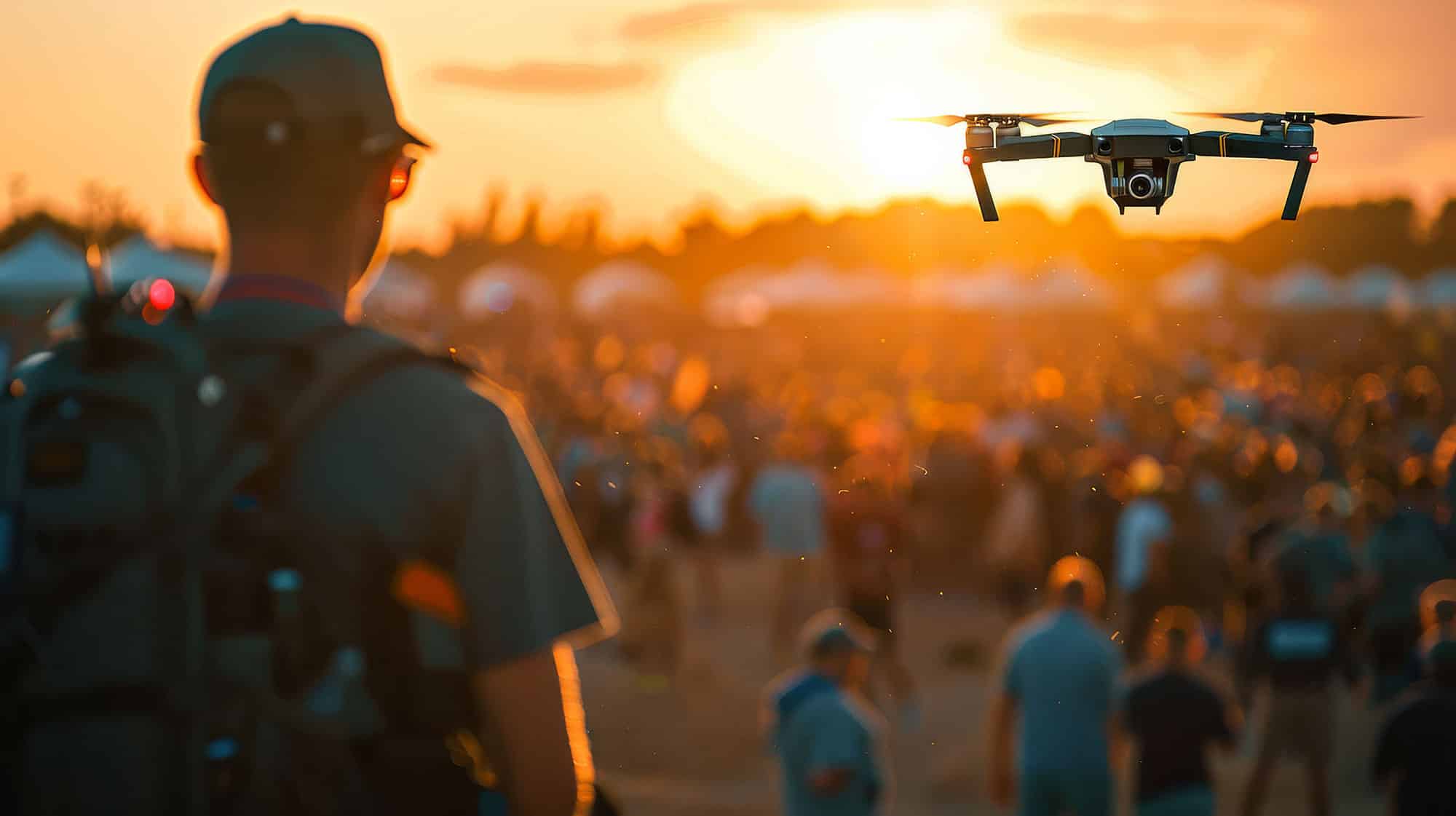
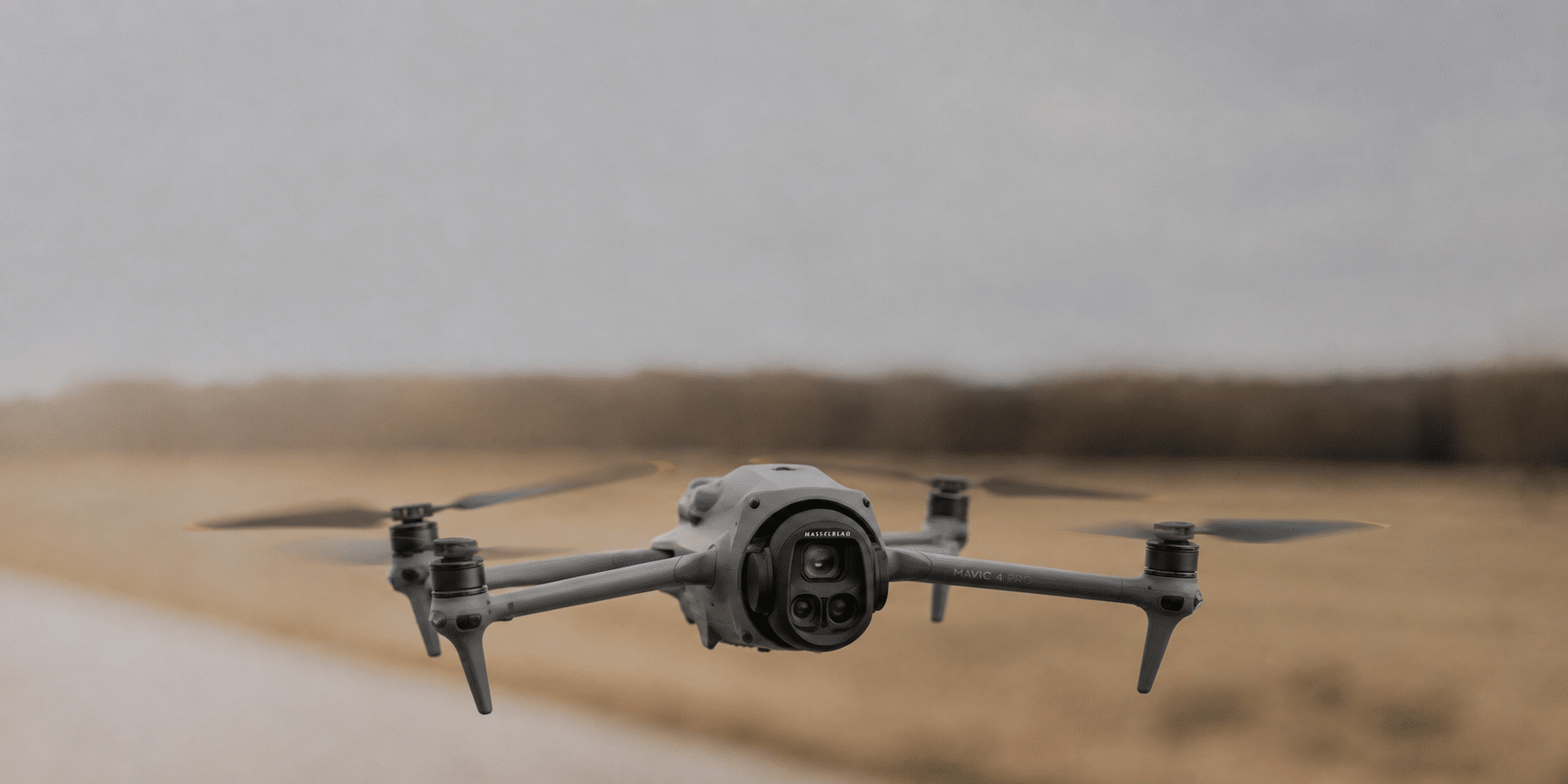
Drone use in Australia has increased tremendously over recent years and continues to grow at pace. This applies to both recreational enthusiasts who own drones for their enjoyment and businesses that have them for commercial use.
As the use of drones has increased, so has the need to ensure they are used properly and safely. This has led to a growth in the regulations that affect all drone users and the bodies that enforce those regulations.
The main regulatory body in Australia is the Civil Aviation Safety Authority (CASA), which is responsible for all aviation safety. This includes the use of unmanned aerial vehicles (UAVs), particularly drones, to ensure they do not pose a risk to other aircraft, people or any property.
The main legislation affecting drones is the Civil Aviation Safety Regulations Part 101, which sets out how drones are to be operated. This includes the legal requirement to have the correct licences for particular types of drone activity.
However, regulations differ between recreational and commercial users so it is important to know where you fit in so you can ensure full compliance.
Definitions of Recreational and Commercial Drone Flying
A recreational drone is used purely for enjoyment, not for profit. It is often lightweight and fairly basic, with weights ranging from less than 250 grams up to more than 25 kilograms. Typical activities include taking photographs and videos of surroundings, racing in high-speed competitions and just enjoying the thrill of flying a drone and exploring new landscapes.
In contrast to a recreational drone, a commercial drone is operated for business purposes and used for activities that will generate income in some way. Commercial drones tend to be heavier than recreational versions and usually have more functionality to enable them to do a particular job.
Commercial drones are used in aerial surveys to collect data and monitor activity. They are also used to produce aerial films for production companies, marketing videos for real estate businesses and widely for construction and engineering operations to assess sites and the progress of projects.
Their use is very broad and is growing as businesses find new ways for them to help in giving a commercial advantage and to increase their efficiency.
The difference between recreational and commercial drones is not so much about what they are but is more to do with how they are used. If you use your drone to earn money or to make some sort of commercial gain, it is classed as a commercial drone. If, however, you use it purely for enjoyment rather than to earn income, it is a recreational drone.
Regulations and Licensing for Recreational Drone Use
CASA sets out guidelines for recreational drone use. However, since users are essentially hobbyists, the rules are intended to be straightforward but at the same time they ensure that drones are operated in a safe manner at all times.
Recreational users do not need a licence to operate, nor do they need to register the drone with CASA. However, they must always fully comply with CASA guidelines:
- Drones with a weight of under two kilograms must not be flown higher than 120 metres (400 feet) above ground level.
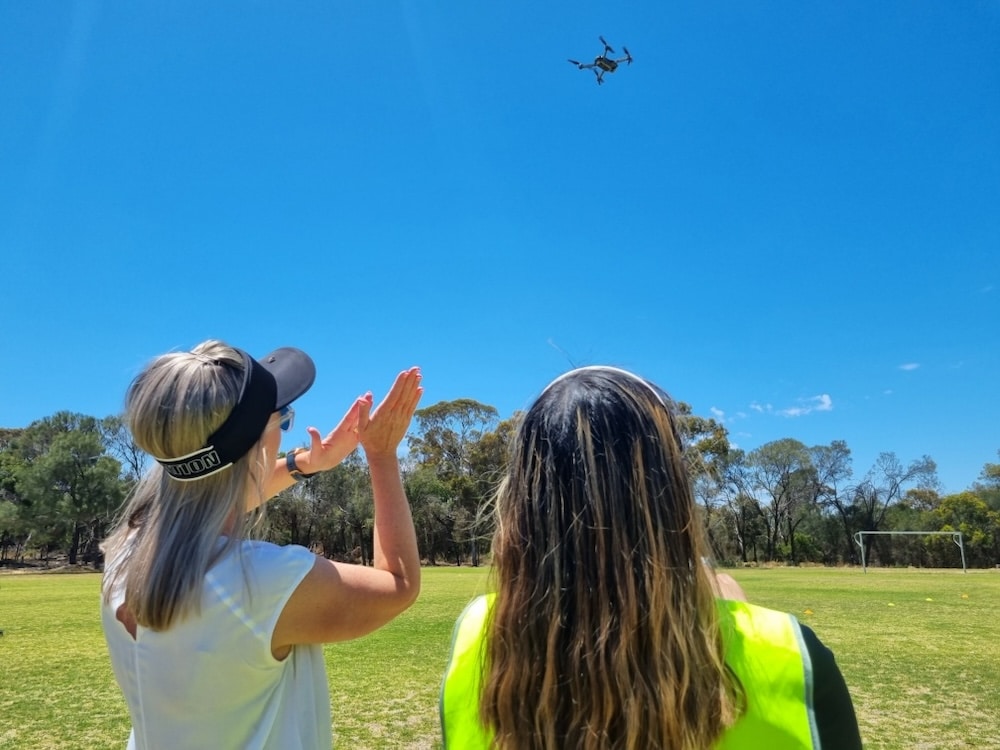
- Pilots must have a visual line of sight to their drone at all times to avoid collisions and other accidents.
- Operations must only be undertaken during daylight hours.
- To reduce the risk of injury, a drone must never fly nearer than thirty metres to people.
- Flights must not be within 5.5 kilometres of a controlled aerodrome, such as an airport, helipad or airfield. You must also avoid high security areas and large gatherings of people, such as at sporting events.
- Flying over private land is permitted but must not interfere with the owner’s privacy or use of the property due to privacy laws unrelated to drone use.
Adhering to these simple rules will make sure you fly safely and considerately but without spoiling your enjoyment of drone flying.
Regulations and Licensing for Commercial Drone Use
Due to the increasing use of commercial drones and the greater risks that are involved, the regulations regarding their operation are much more comprehensive. Commercial drones are subjected to the same regulations as those for recreational use but must also comply with additional guidelines:
- Irrespective of the weight of the drone, it must be registered with CASA if used for commercial purposes. This ensures it is recognised for the purposes of regulations, and you are accountable for its use.
- You may need to obtain a Remote Pilot Licence (RePL). To qualify for this, you will have to successfully complete an accredited training course that will provide practical flying experience and theoretical teaching that covers your legal and safety responsibilities. For lower weight drones and/or standard commercial usage, a simple Operator Accreditation will likely suffice.
- To use a drone for business purposes, you or your employer must hold a Remotely Piloted Operators Certificate (ReOC).
- Notify CASA when you’re undertaking complex operations such as night flights.
- Have legal documentation that sets out operational processes, safety procedures and the limits of liability.
Having the proper licences means you can, providing you obtain CASA approval, fly at night and beyond the visual line of sight, fly in controlled airspace and carry out advanced operations.
Legal Considerations for All Drone Users
Whether using your drone for recreational or commercial purposes, it is important that you adhere to all regulations. Many of these are concerned with operating safely but the privacy of others is also an important consideration.
There are a number of no-fly zones in Australia, and you need to avoid these, otherwise you can incur fines and face criminal charges and the confiscation of your drone. These zones include public infrastructure, government buildings and emergency response sites. The zones change constantly and include temporary restrictions for events, emergencies and bushfires so you need to be aware of them before starting any operation.
There is also restricted or regulated airspace that you need to avoid. This includes airspace around military installations, airports and various sensitive areas where there is a significant risk to aircraft or national security. Flying within these areas is strictly prohibited unless you have obtained permission to do so.
In addition to restricting where you can fly, regulations also apply to privacy and data protection. In particular, you are not allowed to capture and store personal data that includes images of people without obtaining their permission. If you inadvertently capture and store such data, you must report this to the relevant authority.
Any breaches of personal data rules can damage the reputation of your business and incur legal penalties. Any individuals who suffer harm through their personal data being shared can take legal action against you, so it is crucial you comply with all regulations.
The risks of accidents and legal action being taken against you means that adequate insurance, although not mandatory for drone flying, is highly recommended for recreational users and particularly for commercial operations.
Some insurance policies are specifically tailored for drone operators and will provide cover for the drone itself and ancillary equipment, public liability cover against claims for property damage and injury caused by the drone and professional indemnity cover for legal costs incurred due to professional negligence.
If you plan to take your drone abroad at any time, you will need to comply with the rules and regulations of the relevant country. All countries have varying legislation, and it is important you comply.
Some countries require that you register your drone and obtain a permit before using it, so be prepared before you travel. Always research the laws of the country you are visiting with your drone and make sure you comply, since a failure to do so may have serious and costly consequences.
Protect your Business With Full Compliance
Recreational drone flying is much more affordable than commercial drone operation, with fewer regulations, training not being mandatory and no requirement for licensing. When using a drone as part of a commercial operation, however, you must ensure you do everything possible to protect your business.
Enforcement of regulations is generally carried out by CASA, which has the authority to look into any suspected violations and can take legal action and impose fines. Such actions can be extremely serious for a business, both financially and in terms of reputational damage, so it is important you always comply with regulations.
Whilst the use of drones can significantly benefit a company, a failure to comply with regulations can put a business at risk as well as spoiling recreational enjoyment. Therefore, you need to ensure this does not happen by:
- Always being familiar with the latest guidelines, as posted on the CASA website.
- Knowing the classification of your drone.
- Registering your drone if it is used for commercial purposes.
- Obtaining the necessary licences and certificates for commercial use.
- Updating business legal documents so that policies, website terms and contracts include provisions for drone operations.
- Possibly changing a business structure so it limits liability.
- Reviewing privacy policies to include data collection by drone.
Always seek professional advice if necessary so you do not get into legal difficulties.
Keeping Up to Date With Changing Rules
Drone technology is constantly evolving, with increased functionality and capability meaning drones are able to carry out even more tasks. This will inevitably increase their use but means that regulations have to change to reflect these advances and make sure that drones continue to be operated safely and with regard to privacy.
CASA regulations are being continually updated, sometimes to simplify their meaning but also to keep up with changing technology. Whether you are a recreational or commercial drone user, it is important you are always fully aware of the latest regulations and know how they affect you.
You should frequently check the CASA website for updates to rules and guidelines. A failure to do so may mean that you inadvertently fail to comply with the latest rules and, since ignorance is no defence, may incur financial penalties.
Operating Your Drone Safely
Whether you are a recreational or commercial drone user, it is important you always operate your drone safely. Whilst part of that means complying with CASA guidelines, there are steps you need to take to minimise risks.
Before starting any flight, carry out thorough pre-flight checks and inspections. Make sure there is no damage or debris that can adversely affect the performance of the propellers. Also, ensure the battery is fully charged and attached securely. Conduct a quick test flight in a safe area to check all controls are functioning correctly and, if so, you are good to go.
When flying, be aware of possible obstructions that might be a hazard and always have a good sight of your drone, so accidents are avoided. Always fly below the maximum height, never go near emergency operations and always give priority to piloted aircraft.
Never fly if the weather is too bad since high winds and heavy rain can make the drone unstable and difficult to control. Always make safety your top priority so that you complete each flight successfully.
As well as the safety of your drone and other people and property, be aware that flying the drone can have an adverse impact on the local environment. Some wildlife is badly affected by noisy intrusions and delicate ecosystems can also be affected. Do not fly your drone in designated protected areas, keep a safe distance from nesting sites and animals, and fly responsibly to protect the environment.
At Global Drone Solutions, we can help you to fly your drone properly, safely and responsibly. We provide training for both recreational and commercial pilots and can ensure that you are always fully compliant. Get in touch to book a course or just to obtain the help and advice you need.