Australia stands on the brink of a drone revolution, where unmanned aerial vehicles are no longer sought after simply for recreational use, but to transform industries, reshape communities, and redefine what is possible across the nation.
From agriculture and mining to emergency response, infrastructure, and environmental monitoring, drones are becoming a cornerstone of future innovation, improving efficiency, safety, and sustainability across many industries. Leading to an increased need for drone pilot licence.
Beyond practical applications, drones are providing remote communities the opportunity to enjoy the same access to goods and services as major cities thanks to airborne logistics and delivery.
With Australia’s vast geography and pioneering spirit, it is the perfect testing ground for this new era of aerial innovation. However, with advancements comes challenges, some of which include privacy concerns, airspace integration, and the need for clear, future-proof legislation.
We are likely to see drone technology integrating into everyday life, showcasing innovation while upholding responsibility. The future of drones is not just about machines in the sky – it’s one where technology, regulation, and human ingenuity come together to reshape industries and improve lives.
What are Drones and how are They Used?
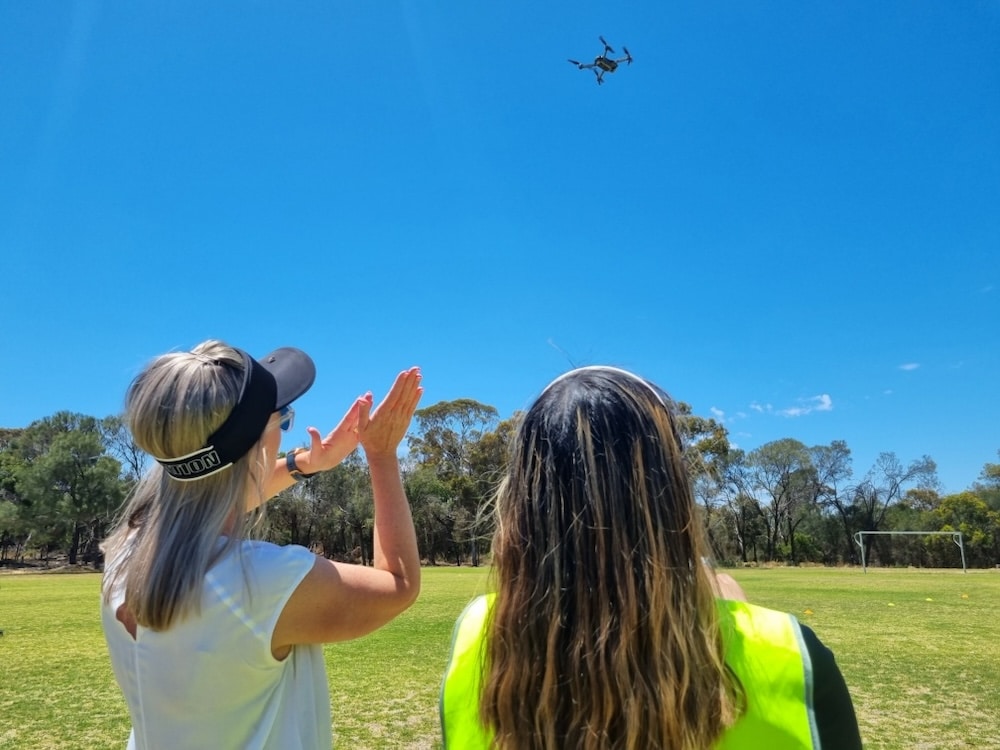
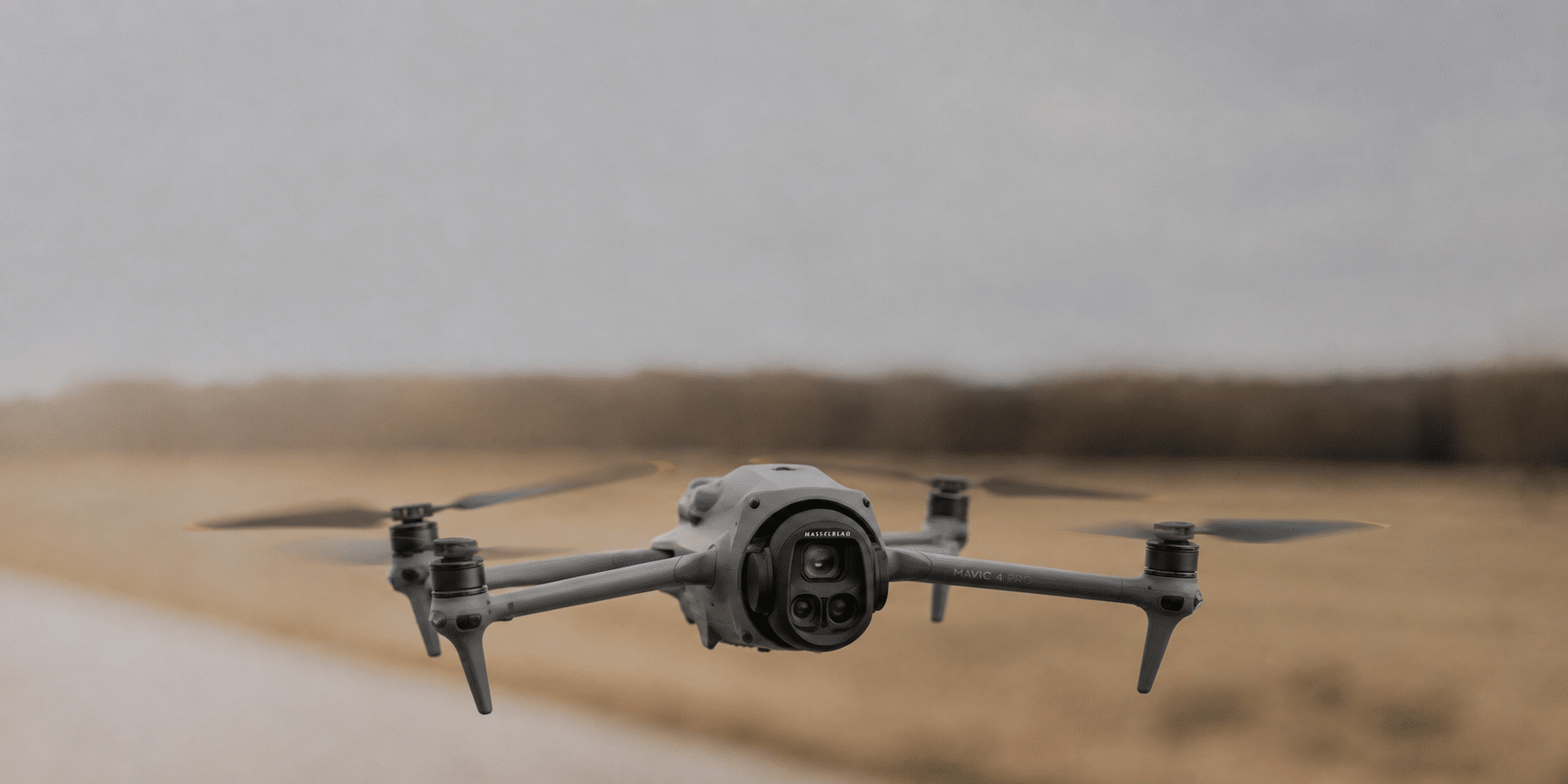
Also known as unmanned aerial vehicles (UAVs), drones are aircrafts which are flown without a pilot onboard. Instead, they are remotely controlled by a person on the ground or are programmed to fly on their own with the use of GPS and sensors.
Historically, drones were mainly associated with the military, but in recent times, they have become much more common in everyday life and are now being used in many different industries and activities.
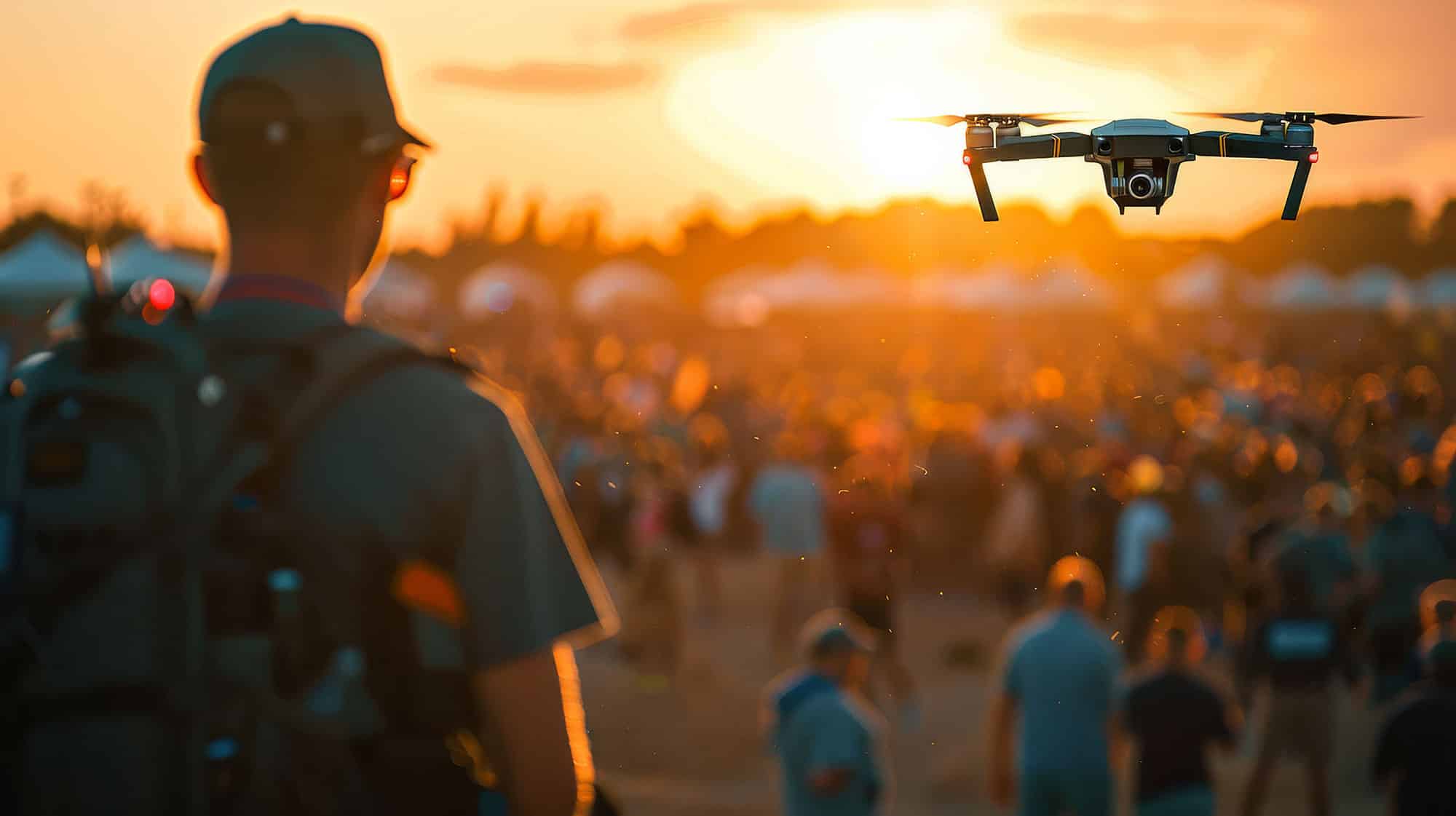
For recreational users, drones are seen as a source of fun and creativity. Many people use them as part of a hobby, often taking stunning aerial photos and videos, which once upon a time, was only possible with the use of helicopters or planes. In filmmaking and tourism, drones provide unique perspectives that capture attention and bring scenes to life.
In addition to leisure, drones have become powerful tools in professional industries. In farming they are used to check crop health, monitor livestock, and manage water more efficiently. Within construction, drones help survey land, track progress on building sites, and inspect hard-to-reach areas safely.
Mining companies use them for surveying pits and stockpiles, while logistics companies are testing drone delivery to reach remote areas faster.
Also benefitting greatly are the emergency services as drones assist firefighters, police, and medical teams in critical situations.
Everyday Uses of Drones
- On the Farm: Checking crops, monitoring livestock, and managing irrigation more efficiently.
- In Construction: Surveying land, tracking building progress, and inspecting hard-to-reach areas.
- For Fun: Flying recreationally, taking photos, and recording videos from the sky.
- In Filmmaking and Tourism: Capturing unique aerial views for movies, ads, and travel promotions.
- In Mining: Surveying pits, stockpiles, and hazardous sites safely and quickly.
- For Deliveries: Transporting small packages or medical supplies, especially to remote areas.
- In Emergencies: Helping firefighters track bushfires, supporting police searches, and assisting rescue teams.
- For the Environment: Monitoring wildlife, mapping forests, and studying coastal erosion.
Industries That Rely on Drones
With drone technology becoming more sophisticated, many industries are taking advantage of this innovation and using it to improve their own operations. Below outlines the key industries in Australia that have integrated the use of drones within their businesses:
- Agriculture: Drones are used by farmers to monitor crops, analyse soil, and manage livestock. Equipped with thermal and multispectral cameras, drones provide precise data to improve yields, reduce water usage, and detect issues early.
- Mining and Resources: The mining sector’s use of drones enables site mapping, surveying, and the monitoring of hazardous areas. Pits, stockpiles, and equipment can be inspected safely and quickly and the need for workers to enter dangerous environments is reduced.
- Construction and Infrastructure: Surveying land, monitoring project progress, and inspecting structures like bridges and towers has become easier with the use of drones. Cost and time are reduced yet high-resolution aerial imagery is still attainable.
- Emergency Services and Disaster Management: Drones provide real-time aerial intelligence when bushfires, floods, and search-and-rescue operations occur. They help locate missing persons, assess damage, and guide first responders in dangerous or inaccessible areas.
- Environmental Monitoring and Conservation: Australia’s unique ecosystems benefit from drones tracking wildlife, monitoring coastal erosion, and surveying forests. They allow conservationists to collect data with minimal disruption to habitats.
- Logistics and Delivery: Australia is expanding its drone delivery trials, particularly for medical supplies and goods in remote or rural regions. Companies are looking at how drones can complement traditional logistics networks.
- Media and Film Production: The film, advertising, and tourism industries rely on drones for stunning aerial footage. What was once only possible with the use of a helicopter, can now be a achieved with a drone, at a fraction of the cost.
- Oil, Gas, and Energy: Drones are increasingly used for inspecting pipelines, powerlines, and wind turbines. They reduce downtime, improve safety, and allow predictive maintenance of critical energy infrastructure.
Key Trends Elevating the Drone Industry
With a wave of innovation, and aviation evolution, Australia’s skies are becoming a bustling network of unmanned aircraft. The nation is propelling toward a future where drones are appearing across all sectors. Let’s explore the key trends elevating the drone industry within Australia:
Integration of AI and Automation
With the use of artificial intelligence, 5G connectivity, and autonomy drones are becoming smarter, and more capable of autonomous flight, obstacle avoidance, and real-time data analysis. This has seen an improvement in efficiency and a reduction in the reliance of manual operation.
Drone capabilities are being unlocked as we experience remote farm surveillance and even first-responder missions in remote or dangerous locations. Australian training programs are increasingly pushing Beyond Visual Line of Sight (BVLOS) certification, offering pilots the skills to operate longer-range and more complex aerial operations.
Expansion into Logistics and Delivery
Drone delivery trials for parcels, food, and medical supplies are accelerating, especially in rural and remote regions. A delivery drone which is to be launched commercially by 2027 has taken its first autonomous flight and with up to 1,000 km range and zero emissions, it’s suited for regional transport, medical supply drops, and even bushfire mitigation.
Logistics companies see drones as the future of ‘last-mile’ delivery.
Advanced Imaging and Sensor Technology
High-resolution cameras, LiDAR, and multispectral sensors allow drones to capture highly detailed data for industries like mining, agriculture, and construction. These drones can conduct frequent monitoring missions, such as stockpile volumetrics, inspections, and site surveys without the need for on-site pilots, demonstrating unparalleled efficiency and safety.
This innovation exemplifies how automation is optimising resource-intensive industries, reducing worker exposure to hazards and accelerating data capture with consistency.
Sustainability and Environmental Applications
Drones are being used increasingly more for conservation, wildlife monitoring, and environmental management. Equipped with radio-tracking and thermal imaging they can monitor endangered species and support environmental efforts in remote terrains while reducing human impact on fragile ecosystems.
Drones have become invaluable during floods, bushfires, and search-and-rescue missions, and are even being used to deliver hay to stranded farmers, light rescue corridors at night, and deliver medical supplies to remote communities.
Integration With Smart Cities and Infrastructure
In urban planning, drones assist with traffic monitoring, infrastructure inspections, and disaster preparedness, aligning with broader ‘smart city’ initiatives. This integration is reshaping how Australia envisions urban living.
With cities becoming more connected, drones are playing a vital part within a data-driven system that improves safety, efficiency, and sustainability. They can monitor traffic flows, detect accidents, and enable rapid response in emergencies, helping reduce congestion and save lives.
In the construction and infrastructure industry, drones provide high-resolution inspections of bridges, towers, and utilities, reducing downtime and the risk for workers.
The drones’ sensors allow for the assessment of environmental conditions, monitoring of air quality, and supporting of renewable energy projects. Population growth and climate challenges demand innovation, and that’s where the revolution of drones comes into play. Integrated within smart cities, drones promise a future of safer, greener, and more connected urban environments.
Evolving Regulations and Airspace Management
Governments, including Australia’s Civil Aviation Safety Authority (CASA), are trying to develop clearer frameworks for drone operations. By the end of 2025, the aim is to have simplified risk assessments allowing for quicker approvals of lower-risk UAV operations.
In addition, updated frameworks within ICAO are being sought after to allow drone operations to take place beyond national waters (the 12-nautical-mile territorial limit) which is vital for marine research and Antarctic operations.
Secondly, advances in unmanned traffic management systems will allow safer integration into shared airspace, which is imperative as it has been predicted that annual drone flights will skyrocket from 1.5 million in 2023 to over 60 million by 2043.
To manage this impending drone boom, Airservices Australia has partnered with Frequentis Australasia to create a digital control infrastructure to oversee millions of autonomous aircraft operations allowing drones to coexist harmoniously with conventional air traffic.
Rise of Drone-as-a-Service (DaaS)
More and more businesses are outsourcing drone operations to specialised providers rather than owning fleets. This new era of accessibility and innovation removes the barriers of ownership, cost, and expertise and allows organisations of all sizes to embrace the possibilities of aerial technology.
For example, farmers can now have access to precision crop data, construction firms are able to monitor projects in real time, and emergency services can deploy drones instantly, all without needing their own fleets.
This has transformed drones from niche tools into shared community assets that drive efficiency, safety, and sustainability. As DaaS expands, additional businesses, councils, and even individuals will feel more empowered to tap into the power of aerial intelligence, and create a future where drones are not just a technology for specialists, but a service upholding Australian livelihoods.
Miniaturisation and Longer Flight Times
Modern drones are being created with enhanced battery life and lightweight designs that are intended to extend flight duration, range, and payload capacity, transforming their potential. This is especially useful for industries like agriculture, mining, and logistics, which require extended operations without frequent recharging and the ability to cover larger areas with precision.
Miniaturised designs also allow access to confined or hazardous environments, supporting inspections and environmental monitoring with minimal disruption.
Australia’s drone industry is exciting, bold, and innovative. From hydrogen-fuelled air taxis to AI-powered fleets; from homegrown defence drones to robotic safeguarding systems, Australia’s drone ecosystem is one that is growing to be efficient, sovereign, and visionary.
How Does the Future Look for Drones in Australia?
The future of drones in Australia is set to be a promising one. What we are witnessing today is nothing compared to what we will see in the not-so-distant years to come. A new era is approaching where the skies are to become a part of our everyday lives. Home to the vastest of landscapes, most vibrant cities, and some of the world’s most challenging environments, Australia is the perfect place to showcase how drones can transform the way we live, work, and connect.
Over the coming years, we may well see drones take on more complex roles due to the advancements in autonomy, AI, and beyond-visual-line-of-sight operations. Delivering medical supplies to regional areas or providing real-time intelligence during bushfires and floods will soon be a common exercise.
Fleets of drones could be protecting communities by monitoring disasters in real time, delivering vital supplies to the most remote corners of the country, or helping farmers keep track of their land with precision and sustainability.
Supported by world-class innovation, forward-thinking practices, and a strong national spirit, drones will no longer be tools of convenience but symbols of progress, resilience, and ingenuity. The coming decade will provide more than just technological advances, it will transform how Australians experience distance, safety, and opportunity.
For Australia, the sky isn’t the limit but a boundless frontier, where ambition and innovation can intertwine to shape a brighter, more connected future. At Global Drone Solutions, we offer the courses you’ll need to be a part of it.